
Introduction and Background
In the heart of Southern Africa, Zimbabwe grapples with a multifaceted humanitarian landscape. This landscape is marred by recurring natural disasters, profound economic strife, and a population burdened by social vulnerabilities. As communities face these mounting challenges, the urgency for effective and timely humanitarian responses cannot be overstated; such efforts are not merely lifesaving but vital in nurturing resilience within affected populations.
The Local Humanitarian Strengthening Initiative
Enter the Local Humanitarian Strengthening Initiative (LHSI), a transformative program spearheaded by the Methodist Development and Relief Agency (MeDRA) with essential funding from Christian Aid. This initiative aims to forge a centralized platform that empowers local humanitarian actors in Zimbabwe. By enhancing their capacities through integrated and innovative practices, the program seeks to bolster effective responses and cultivate resilience in communities affected by disaster.
The Rationale
In the throes of crisis, local humanitarian actors emerge as the bedrock of response efforts in Zimbabwe. Their intimate local knowledge, entrenched community relationships, and nuanced understanding of socio-political contexts make them indispensable allies in humanitarian action. Yet, these organizations face myriad challenges: restricted access to resources and funding, gaps in technical skills, fragmented coordination networks, and often insufficient recognition within national and international humanitarian frameworks. Overcoming these hurdles is crucial for effective, sustainable action in Zimbabwe’s complex landscape.
Our Solution: The Local Humanitarian Strengthening Initiative
Our response is clear: the Local Humanitarian Strengthening Initiative is designed to empower these local actors to navigate crises with confidence and effectiveness. Central to this approach are several key components:
Capacity Strengthening: We provide targeted training programs to enhance essential skills in critical domains, including Core Humanitarian Standards, resource mobilization, and disaster risk reduction, ensuring local actors are well-equipped for response.
Knowledge Management: Our innovative Humanitarian Learning Hub serves as a cutting-edge digital library, providing access to vital resources, including toolkits, case studies, and best practices. This ensures that local actors stay informed and can implement evidence-based strategies in their work.
Strengthened Partnerships and Networking: By fostering collaboration among local organizations, we promote an integrated and unified humanitarian response, capitalizing on collective strengths for greater impact.
Who are the Partners?
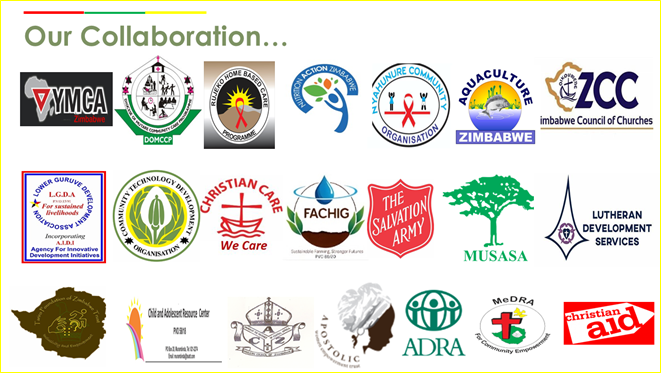
The Local Humanitarian Strengthening Initiative stands on a broad coalition of partners working at two distinct levels. The first level are eighteen local civil society organizations, community-based organizations, and faith-based organizations. Each partner contributes unique insights and capabilities, enhancing the overall effectiveness of our initiatives. Complementing these are six technical partners that provide technical expertise and operational support, including crucial organizations such as Christian Aid Zimbabwe and the Zimbabwe Council of Churches.
Our Impact
The initiative’s influence is already palpable, with several positive outcomes emerging in affected communities. Local actors are increasingly well-prepared to respond adeptly to emergencies, demonstrating an enriched understanding of critical humanitarian practices. Enhanced coordination amongst local organizations has resulted in more productive, cohesive responses to crises, while the Humanitarian Learning Hub bridges crucial knowledge gaps, empowering local actors with the information they need to implement best practices.
Project Sustainability
Our commitment goes beyond immediate impacts; we’re dedicated to ensuring the long-term sustainability of the Local Humanitarian Strengthening Initiative. Strategies include:
Training of Trainers: By developing a cadre of local trainers, we facilitate the dissemination of knowledge and skills throughout communities, ensuring lasting benefits.
Institutional Strengthening: Our focus on bolstering local organizations ensures they can operate autonomously and sustainably.
Community Ownership: We prioritize survivor-led and community-centered interventions to ensure that projects remain relevant and effective.
Continued Access: The Humanitarian Learning Hub will maintain accessibility beyond the project’s timeline, providing ongoing support to local actors.
Fostering a Community of Practice: MeDRA will nurture ongoing networking and collaboration among local actors, maintaining the momentum of shared learning.
Advocacy and Evidence Sharing: By highlighting successes and lessons learned, we aim to advocate for the importance of local capacity strengthening within the broader humanitarian community.
The Opportunity
We invite you to join us in expanding the reach and efficacy of the Local Humanitarian Strengthening Initiative. Your involvement will empower local humanitarian actors, fortify the resilience of vulnerable communities, and foster sustainable, locally driven humanitarian action. Together, we can promote a more equitable and effective humanitarian system in Zimbabwe.
Call to Action
We urge you to stand with us in constructing a stronger, more resilient, and community-led humanitarian sector in Zimbabwe. Join us in this noble endeavor, and together, let’s empower local actors to save lives, mitigate vulnerabilities, and pave the way for a brighter future for all communities impacted by disaster.