
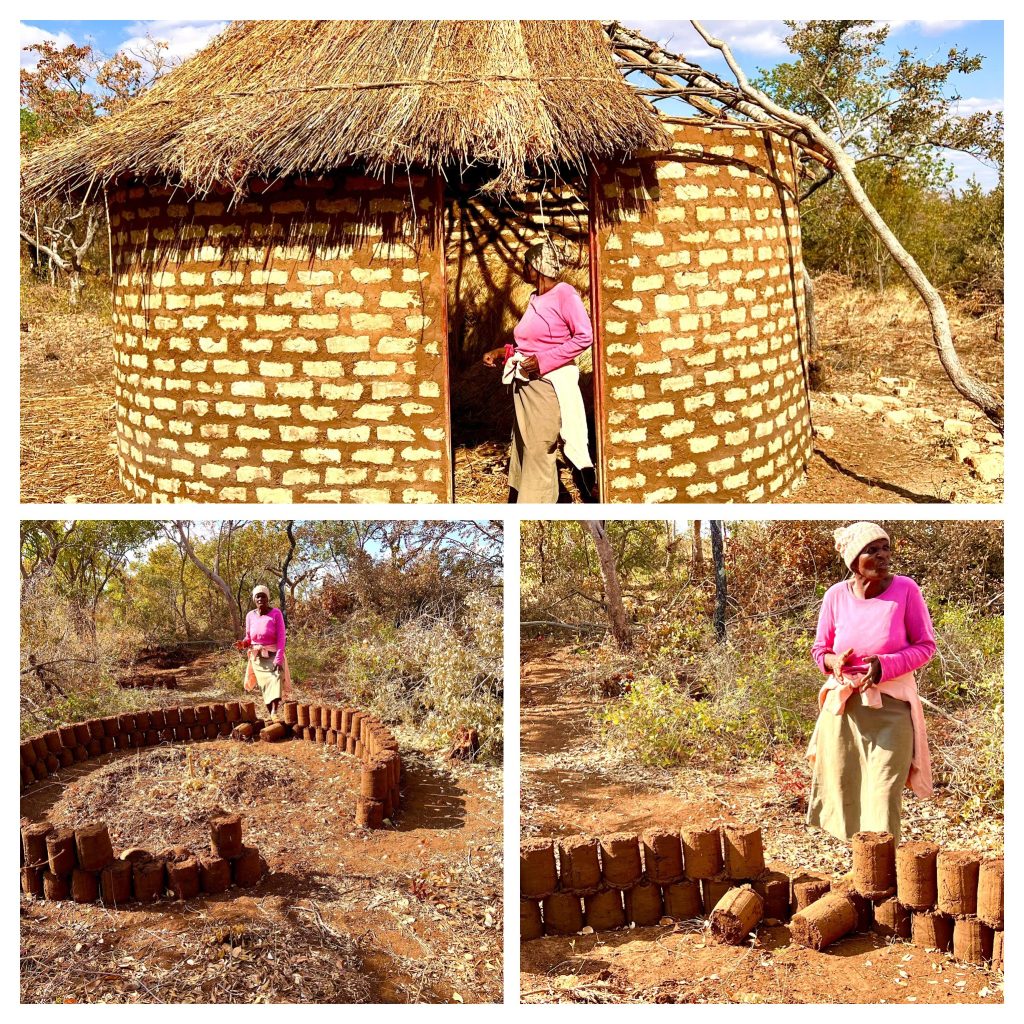
In Ward 13, Mbizvo Village in Gokwe South, life for many villagers, especially elderly women, was marked by daily hardship. With no nearby access to clean water, survival meant long, painful walks to distant rivers. This was the reality for 72-year-old Gogo Chiratidzo Maruwa. Living alone and relying on a small garden near her home to grow food, she faced constant frustration as livestock roamed freely and destroyed her crops due to the absence of proper fencing. Each day, Gogo walked over two kilometres through steep and rocky terrain to fetch water. The journey, often taking hours, left her physically exhausted and caused frequent chest pains. “There were times I fell ill from chest pains,” she later shared. “But I had no choice, water is life.” Her experience was not unique. Many vulnerable households in Mbizvo Village were burdened by similar challenges, particularly women, the elderly, and people with disabilities. The physical toll of water collection, coupled with poor nutrition and inadequate food production, kept them trapped in a cycle of exhaustion, illness, and economic vulnerability.
This situation began to change through the Building Resilience in Gokwe South Communities project, implemented by the Methodist Development and Relief Agency (MeDRA) with support from Brot für die Welt and UnitingWorld. In close consultation with the community, a solar-powered borehole was constructed, and a fully fenced community garden was established. Vulnerable households were prioritised in the planning process to ensure equitable access to the new infrastructure. Traditional leaders supported the initiative by allocating land for resettlement near the new borehole and garden site. Four families of Gogo Chiratidzo Maruwa, Felix Chitima, Sihle Hahlani, and Privilege Moyo were given plots close to the new water source, allowing them to resettle with dignity and improved access to basic needs.
Today, Gogo Chiratidzo’s life has been transformed. She no longer endures long treks for water; instead, a clean and safe water source is just a few meters from her new home. She now cultivates vegetables in a protected garden space, shielded from animals and environmental hazards. Her health has improved noticeably, and she spends her days tending crops, preparing meals, and connecting with her community. The garden provides food for her household and surplus produce that can be sold for income, restoring her independence and dignity. “At my age, it had become almost impossible to keep walking to the river. Now water is just nearby, and I have a place to grow my food without fear. I feel alive again. I feel human again,” she said with gratitude.
Beyond her personal story, the intervention has had wider ripple effects. Other families in Mbizvo have also begun gardening, reducing food insecurity and generating income. The solar-powered borehole and community garden have become symbols of resilience, community-owned assets that are addressing not only water scarcity but also climate adaptation, nutrition, and economic self-reliance. Local leadership has played a vital role in managing the site, ensuring sustainability, and fostering community ownership. This story demonstrates that when infrastructure is paired with inclusion and local leadership, the outcomes go far beyond immediate needs.