
Kwenda Primary, a Methodist Church in Zimbabwe school, has entered a new season of hope and transformation through the Safety and Inclusion Project funded by UnitingWorld. Not long ago, the children walked nearly 2 kilometres to the Chikunzvi River to fetch water for drinking, cleaning toilets, washing their hands, and watering their small garden. The journey took more than 30 minutes of learning time, and the burden fell hardest on learners, especially girls. Handwashing was more of a statement than a real practice, and the school struggled with cases of diarrhoea, low attendance, and a limited feeding programme due to inconsistent access to water and fresh vegetables. “The phrase ‘wash your hands after using the toilet’ was more of a wish than a practice; there simply wasn’t any water,” explained the school’s senior teacher, Mrs Sidhuna.
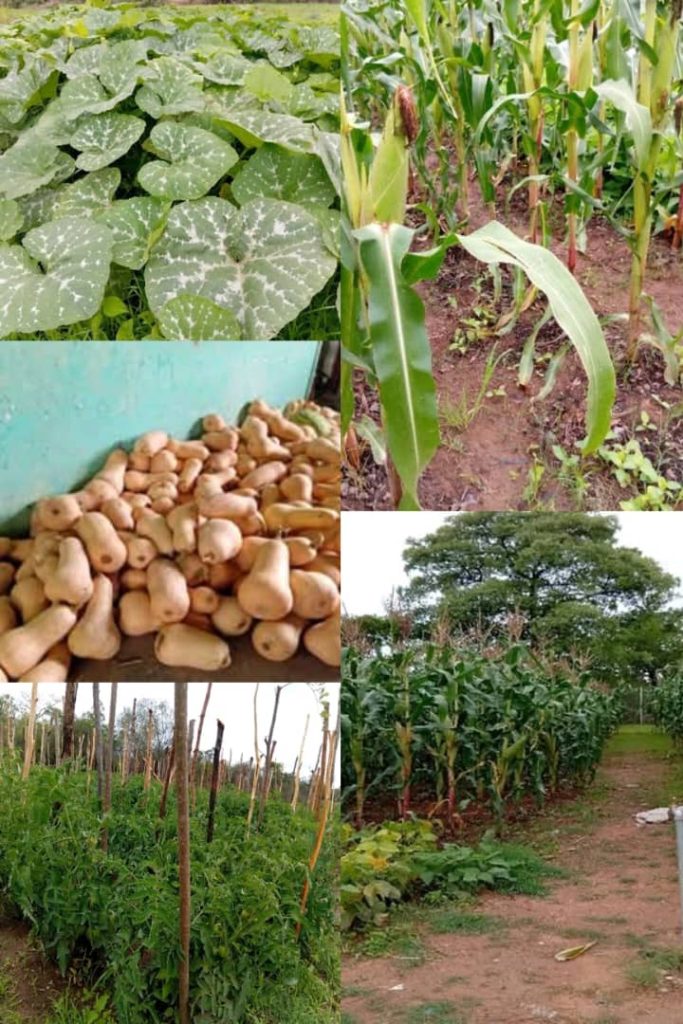
Today, the situation has undergone a remarkable change. The installation of the solar-powered borehole and nutrition garden in May 2025, by MeDRA, has brought water directly into the schoolyard, transforming both the school environment and the surrounding community. A vibrant nutrition garden now flourishes on the school grounds, tended by enthusiastic learners and their teachers. Despite using only half of the available land due to the need for an irrigation system and additional water storage tanks, the garden is producing an impressive variety of crops, including maize, tomatoes, onions, beans, cabbage, pumpkins, watermelons, and butternuts. These crops and vegetables are directly strengthening the school feeding programme, providing children with more nutritious meals than before, and creating a marked difference from neighbouring schools.
The impact goes beyond nutrition. The garden has also become a source of income for the school. With projected profits such as USD 728 from maize, USD 420 from tomatoes, USD 35 from butternuts, and USD 27 from beans, the school now has an alternative source of revenue to support operations at a time when many parents are struggling to pay school levies. This income-generating potential has boosted the school’s independence, strengthened the feeding programme, and shown the community what climate-smart agriculture can achieve when water is available.
The presence of clean, safe water has brought dignity back to daily life. Learners now drink water from the school instead of carrying it from home. Hygiene and sanitation have improved dramatically, with children washing their hands consistently and a noticeable reduction in diarrhoeal diseases. Teachers report that these improvements have led to better concentration, improved health, and increased attendance. Enrollment has risen from 393 to 401 learners between the school’s second and third terms of 2025, a growth attributed to the reliable feeding programme and better access to water.
The borehole has not only benefited learners but also the surrounding community. Twenty-eight households, comprising 126 people, now access clean water from the school. Families that once relied on distant open wells and river water now have a safe and reliable alternative. Community members expressed deep appreciation for the project, acknowledging how it has reduced the time and physical strain of fetching water and brought relief to women and children who once walked long distances daily.
Kwenda Primary School’s journey is a powerful demonstration of how access to clean water and climate-resilient agriculture can transform learning, health, and livelihoods. What used to be a place of scarcity, long walks for water, and limited diets has become a model of resilience, dignity, and community strength. The solar-powered borehole and nutrition garden have restored hope and created growth opportunities, showing that when safeguarding, inclusion, and climate resilience come together, children thrive, communities unite, and the future becomes brighter.
This is more than a development project; it is a story of renewal, resilience, and the power of investing in children. Through this intervention, Kwenda Primary School has become a living example of what it means to build climate-smart, inclusive, and thriving learning environments in rural Zimbabwe.