
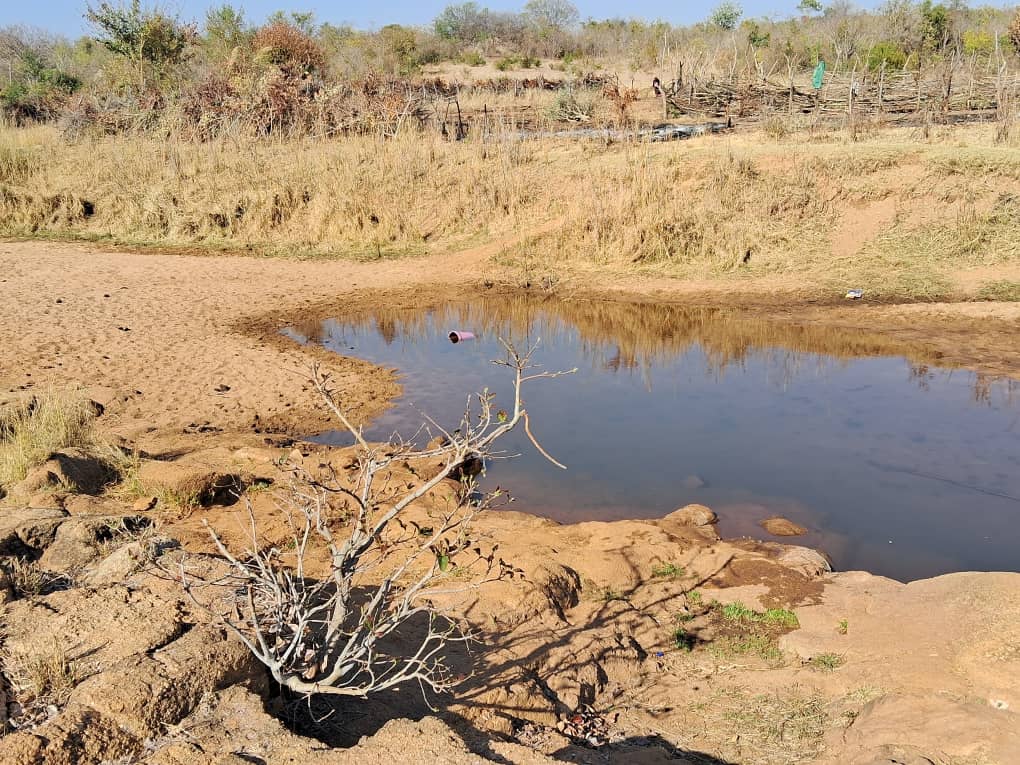
Zimbabwe is at a critical crossroads. The agriculture sector, which sustains around 70% of the population and accounts for nearly 20% of the GDP, is being severely impacted by climate change, with droughts, erratic rainfall, and extreme weather events occurring at an unprecedented rate. These environmental changes jeopardise food security, with the World Food Programme estimating that over 5 million Zimbabweans face hunger each year. Amid these challenges, faith communities have an essential role in building agricultural resilience and supporting adaptation efforts, especially in rural areas with deep-rooted influence.
Faith-based organisations such as the Methodist Development and Relief Agency (MeDRA) made significant strides in promoting sustainable agricultural practices within communities. MeDRA, for instance, has been equipping smallholder farmers with climate-smart techniques such as conservation agriculture, mulching, and crop diversification, which help mitigate the impacts of climate change on crop yields. Through these efforts, MeDRA has seen yields increase for drought-resistant crops by up to 25%, even during dry seasons.
A powerful opportunity exists to further scale these efforts through Zimbabwe’s Multifaith Climate Change Action Group, a coalition formed through support from the Climate Advocacy project that unites various religious leaders and organisations around climate action. This multifaith coalition is currently working to raise awareness about climate-smart agriculture and equip faith leaders with resources to advocate for sustainable farming within their communities. They have also called for a “faith-rooted resilience” approach, urging congregations to view sustainable agriculture not only as an economic necessity but as a spiritual duty aligned with values of stewardship and compassion.
The government’s National Development Strategy (NDS) 1, covering 2021-2025, emphasises the need for climate adaptation in agriculture and recognises the role of community actors in this effort. Faith leaders can be instrumental in actualising this strategy, as they are trusted voices who can influence behavioural change and encourage adherence to sustainable farming practices. As part of NDS1’s vision, religious leaders could help expand conservation agriculture, contributing to the strategy’s goal of enhancing food security and resilience against climate shocks.
If faith-based organisations, with their extensive reach, commit to integrating climate resilience into their agricultural work, Zimbabwe could see a more inclusive adaptation strategy that strengthens food security and supports smallholder farmers. The call is for religious communities to deepen their commitment to sustainable agriculture, making “faith-rooted resilience” a defining feature of Zimbabwe’s path to a climate-adapted future.